The Dangers of Tap Water
Many people use tap water without understanding the risk. Tap water can contain small amounts of harmful substances: arsenic, cyanide, lead, mercury. The half life of lead can be decades. However, this can be lessened with higher immunity levels or by supplementing vitamin C. In rural neighborhoods it is also more likely to find bacteria such as E.coli and Staphylococcus in the water. Furthermore, there can be pesticides and high levels of chlorine. All of these factors can contribute to weight gain and other more serious problems such as heart disease and a weakened immune system. The lower the water quality, the worse it can be for a person’s health in the long run.
Good Water is 7.0
A good pH for drinking water is around 7.0 or neutral. Remember back in school when people would say how gross water is because it has no flavor and is similar to spit? The body’s natural pH is neutral, with the stomach being slightly more acidic to digest food. Different brands of water test at a different pH. You can watch YouTube videos about it. Soda and coffee are also acidic. I tested the tap water where I lived and it was 4.0, which is very acidic, meaning it is a good environment for bacteria to grow, which is dangerous! In general, 7.0 is a good pH. One of the brands that is close to 7.0 (I think it is 6.9) is Crystal Geyser Alpine Spring Water. Another good one on the east coast is Poland Spring Source. I would only recommend using alkaline water if you don’t eat or drink very much, because the alkalinity can interfere with stomach acid resulting in intestinal bloating and kidney failure. If you eat and drink a lot then neutral pH is the way to go.
Where Does Tap Water Come From?
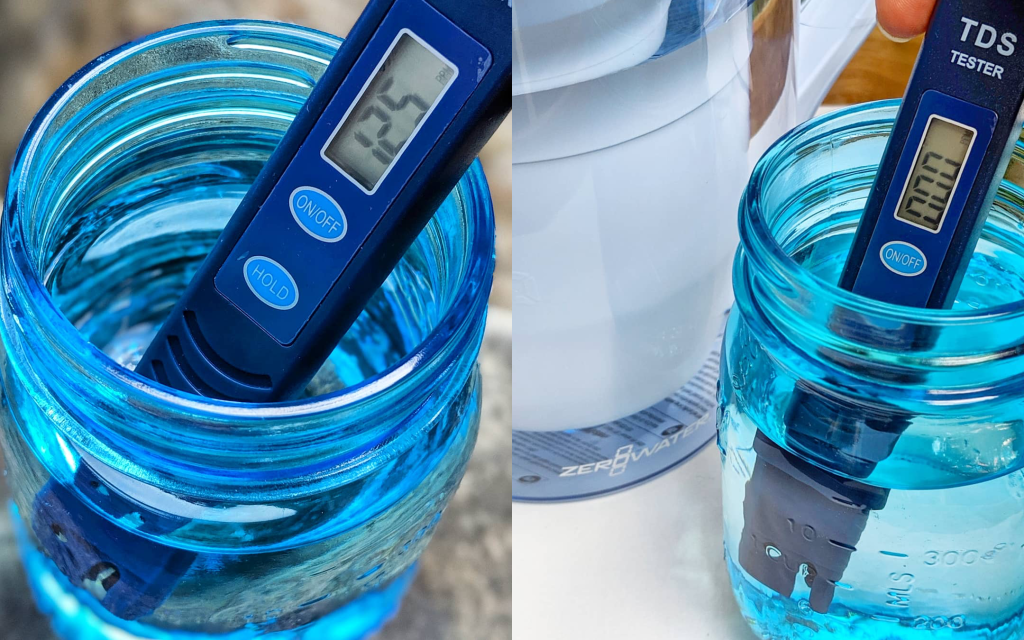
Chlorinated tap water also known as municipal tap water is served in every restaurant, in every fast food soda fountain, but also in hospitals and schools. So bring your own bottled drinks with you if you go out to eat, even though all the food is still made with tap water. Read the label. Unless it says: “filtered tap water,” or “purified water,” it might be tap water. Why does this matter? The total dissolved solids (TDS) will be a higher number than a high quality bottled drink. Think of the food pyramid and use these items as a rare treat or sparingly
Image source: https://foodfash.com/2019/09/24/zerowater-transforms-tap-water-into-delicious-tasting-water-with-zero-dissolved-solids/
Is Well Water Safe?
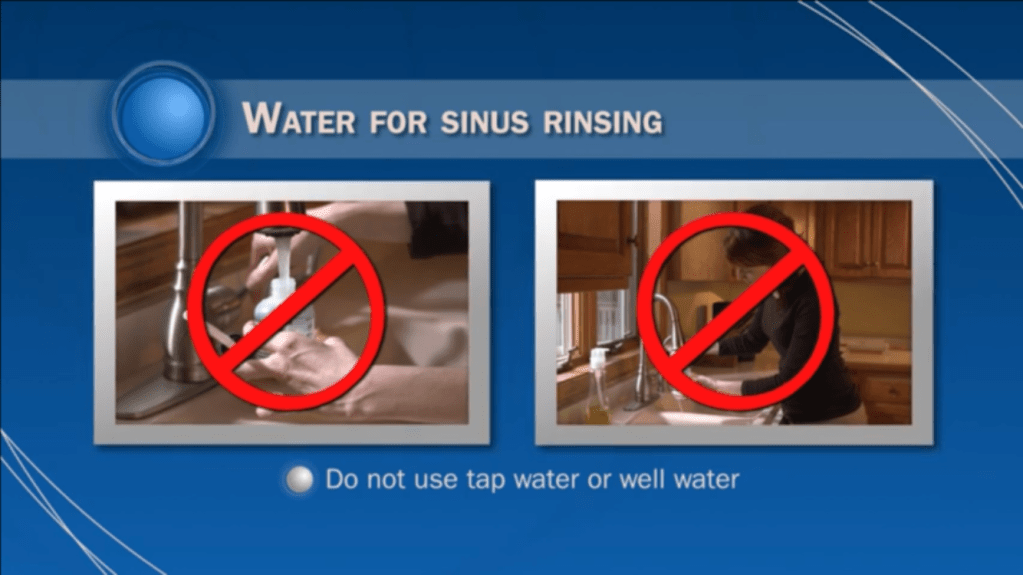
Is well water better? No, not really. You aren’t supposed to use tap water OR well water in a neti pot, because it could carry dangerous microbes. So why would you drink it?

When to Avoid Using Tap Water
Completely avoid using unfiltered tap water if possible. Avoid eating at restaurants where tap water is used for soups and beverages and instead use filtered water at home for food preparation and for drinking. A filter on the tap that you can switch on and off like a Pūr filter which goes over the tap can offer peace of mind when washing food, rinsing off dishes before use, brushing teeth, etc.
Clean Water is Important
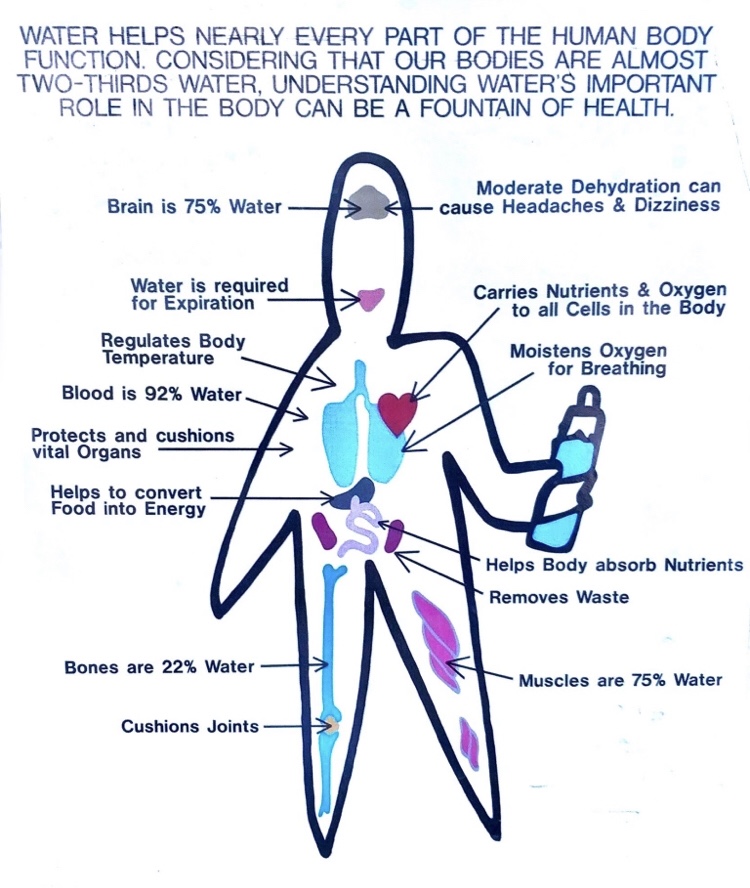
Up to 70% of your body can be made up of water. This is why it is important to be a “water snob” and get the cleanest water.
Use Water Filtration Pitchers or Fill Up at Water Machines
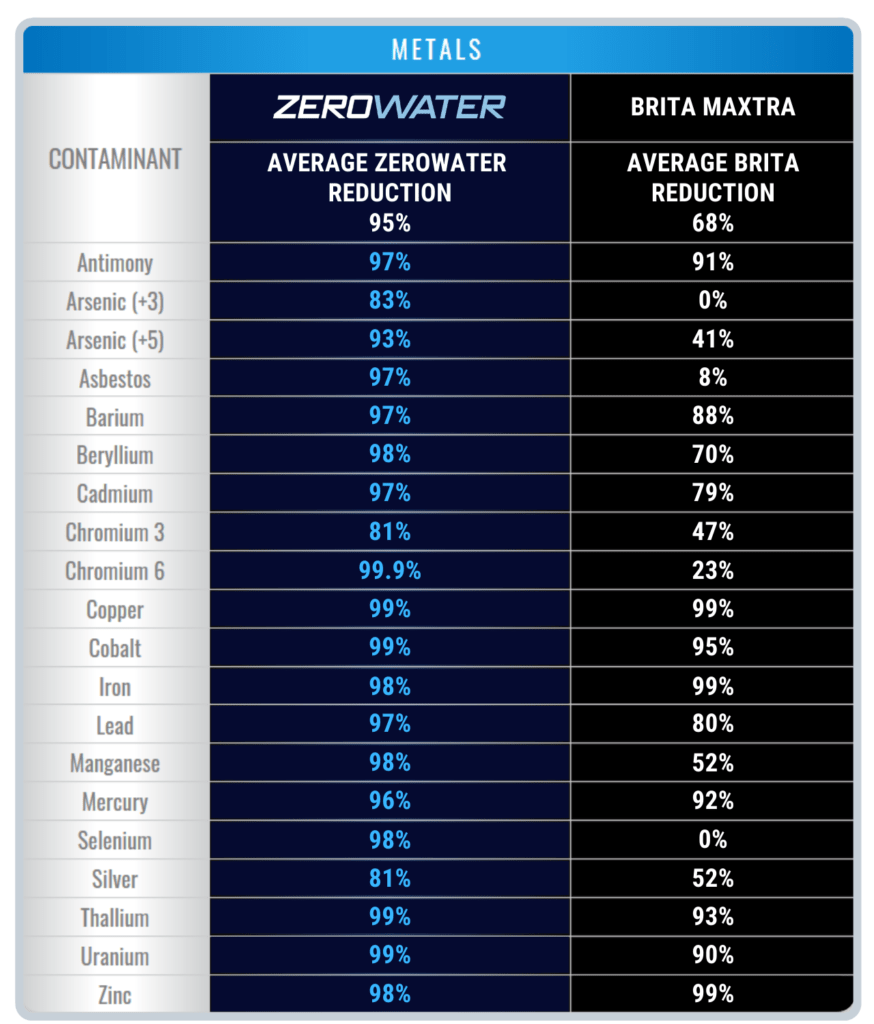
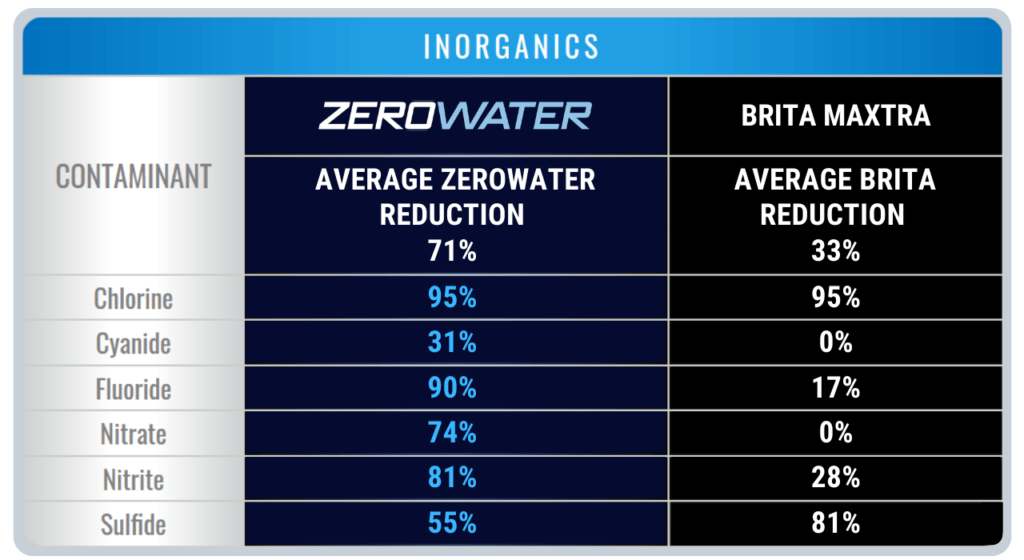
Of course simply buying bottled water for everything is fine to start. You can try filtering your own water at home using a ZeroWater pitcher that you fill up from the sink and keep in the fridge. They also sell Pür or Brita pitchers but I did some research and the ZeroWater is a little better in comparison.
Image source: https://truthaboutfluoride.com/does-zerowater-remove-fluoride/
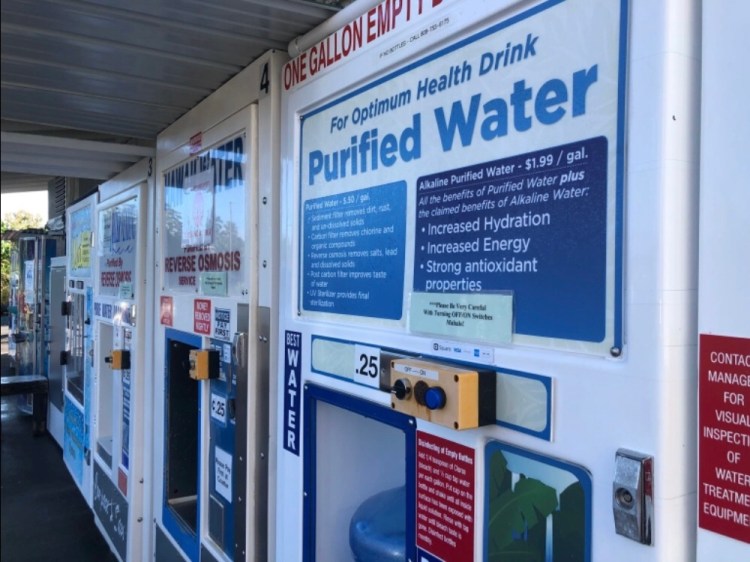
You can also try to find a place that has these reverse osmosis water machines or purified water machines. These machines allow you to fill 1 gallon, 3 gallon, or 5 gallon water bottles. Pick whichever one is easiest for you to carry and keep cold. It’s important to keep the water cold because it can grow salmonella if left in the sun. If it’s sitting for awhile then you’ll have to boil it before using, or perhaps only use it for cooking.
Besides water machines, there are also 7-stage to 11-stage in-home water filtration systems (remove the alkaline filter if you drink a lot of water) and those are good. What about showers? You can buy a chlorine filter. It seems like a lot to remember at first, but you’ll figure it out as you go along.
 Filtered Water Blog